From Girl to Woman: How the Relationship with Sports Evolves Through Life

From Girl to Woman: How the Relationship with Sports Evolves Through Life
For many Indian women, sport is more than just physical activity – it is a reflection of changing identities, opportunities, and priorities through life. From the carefree games of childhood to the balancing act of adulthood and the mindful movement of later years, the way women engage with sports evolves alongside their personal journeys. Sport becomes a lifelong companion, adapting to each stage of life and the realities that come with it.
Childhood: Play, Curiosity, and Discovery
For most girls, the relationship with sport begins with play. Running in the schoolyard, playing kho-kho or badminton with friends, or dancing to music at home – movement is joyful and spontaneous. It teaches teamwork, confidence, and the simple pleasure of being active. At this stage, sport is rarely about winning; it’s about fun and friendship.
However, even in childhood, differences can appear. Some girls face social or cultural barriers that limit their participation, while others may feel pressure to perform. Encouragement from parents, teachers, and coaches is crucial to keep the joy alive. When girls are supported to explore sports freely, they build a foundation for lifelong physical and emotional well-being.
Teenage Years: Identity, Body, and Pressure
Adolescence brings new challenges. The teenage years are a time of self-discovery, but also of self-consciousness. Many girls become more aware of their bodies and may feel uncertain about participating in sports, especially in environments where appearance or performance is judged. Academic pressure and limited access to safe spaces for girls to play can also lead to a drop in participation.
Yet, this is precisely when sports can make the biggest difference. Physical activity supports mental health, builds resilience, and fosters a sense of belonging. Schools and communities that create inclusive, supportive spaces for girls – whether through cricket clubs, athletics, or yoga – help them stay active and confident during this transformative stage.
Adulthood: Balancing Work, Family, and Self
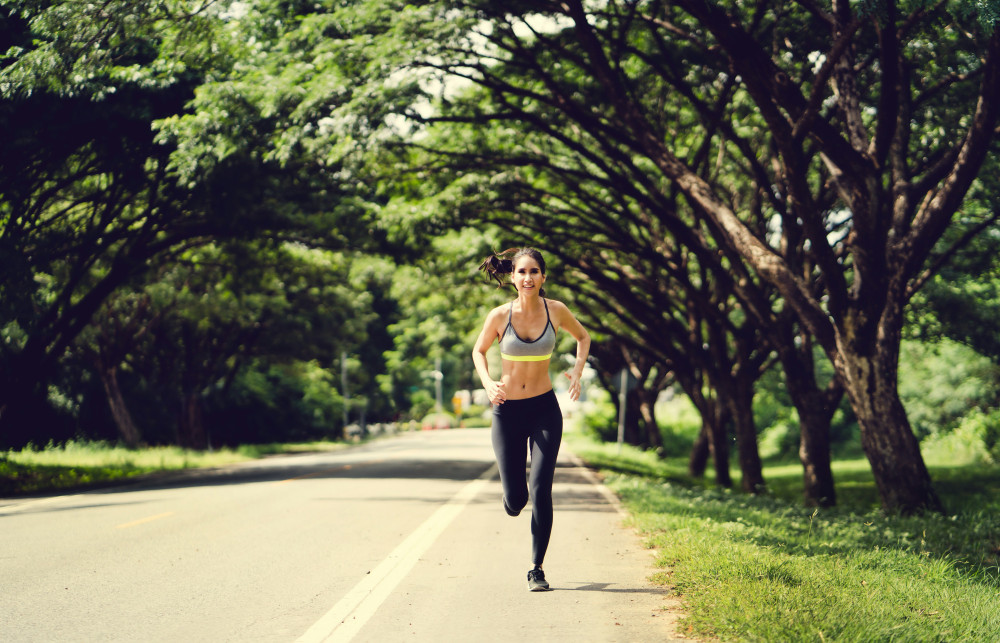
As women enter adulthood, the role of sport often shifts. Between studies, careers, and family responsibilities, time becomes scarce. For many, sport turns from competition to self-care – a way to manage stress, stay healthy, and find balance. Morning walks, weekend badminton matches, or online fitness classes become practical ways to stay active.
Flexibility is key. Women often choose activities that fit their schedules and lifestyles. The focus moves from performance to well-being. In cities across India, more women are joining gyms, running groups, and yoga studios – not to compete, but to connect with themselves and others.
Læs også:

Motherhood and the Pause – Finding the Way Back
Pregnancy and motherhood can transform a woman’s relationship with her body and with sport. Energy levels, priorities, and routines change. Many women take a break from physical activity, and returning can feel daunting. But this phase also offers a chance to rediscover movement in new ways – gentle yoga, stroller walks, or short home workouts.
The key is patience and self-compassion. Every woman’s journey is different, and there is no single “right” way to return to sport. What matters is finding joy in movement again, without comparison or guilt.
Midlife: Strength, Community, and Continuity
In the 40s and 50s, sport often becomes about maintenance – of strength, energy, and joy. Women begin to think long-term: how to stay active and independent for years to come. Activities like swimming, cycling, or group fitness classes gain popularity, offering both physical benefits and social connection.
At this stage, many women also find empowerment in sport. They may take up running marathons, trekking in the Himalayas, or joining community fitness groups. The focus is less on competition and more on vitality, friendship, and self-respect.
Later Years: Movement as a Way of Life
In the later stages of life, sport may slow down, but its importance only grows. Gentle forms of exercise – walking, yoga, tai chi, or light aerobics – help maintain mobility, balance, and mental clarity. For older women, movement becomes a way to preserve independence and joy.
Regular physical activity supports not only the body but also the mind. It keeps memory sharp, mood stable, and social life active. Sport becomes a quiet but powerful expression of self-care and dignity.
Sport as a Lifelong Companion
From the playful games of childhood to the mindful movement of later years, sport accompanies women through every phase of life. It changes shape – from competition to connection, from ambition to awareness – but its essence remains the same: the joy of movement.
For Indian women, embracing sport at every age is not about chasing perfection or meeting expectations. It is about celebrating strength, resilience, and the freedom to move. The relationship with sport is not fixed; it is a lifelong dialogue between body, mind, and the rhythm of life itself.
Læs også: