Strong Bones for Life: How Small Changes Can Strengthen Your Bone Health


Strong Bones for Life: How Small Changes Can Strengthen Your Bone Health
Our bones form the sturdy yet living framework of the body. They support us, protect vital organs, and store essential minerals like calcium and phosphorus. But even though they feel solid, bones are constantly changing—and they can become weaker over time if we don’t take care of them. The good news is that small, consistent changes in daily life can make a big difference to bone health, no matter your age.
Bones Are Living Tissue
Many people think of bones as hard and unchanging, but they are actually dynamic and alive. Old bone tissue is continuously broken down and replaced with new tissue. This balance keeps bones strong and flexible.
During childhood and adolescence, bone mass builds rapidly, reaching its peak around the age of 30. After that, the goal is to maintain as much bone strength as possible. Diet, physical activity, hormones, and lifestyle all play important roles in this process.
Eat Your Way to Stronger Bones
Nutrition is one of the most powerful tools for healthy bones. It’s not just about calcium—many nutrients work together to keep bones strong.
- Calcium is the main building block of bones. In India, good sources include milk, curd, paneer, ragi (finger millet), sesame seeds (til), and leafy greens like spinach and amaranth.
- Vitamin D helps the body absorb calcium. Sunlight is the best natural source, but many people—especially those who spend most of their time indoors—may need fortified foods or supplements.
- Protein supports bone structure and muscle strength. Include a mix of plant and animal proteins such as lentils, beans, eggs, fish, and dairy.
- Magnesium and Vitamin K help calcium bind properly in the bones. You can find them in whole grains, nuts, seeds, and green vegetables.
A balanced, colourful diet rich in fresh, local foods is the best foundation for lifelong bone health.
Movement That Builds Strength from Within
Exercise is one of the most effective ways to maintain bone density. When you move and put weight on your body, bone cells are stimulated to grow stronger.
- Weight-bearing activities like brisk walking, jogging, dancing, and climbing stairs are especially beneficial.
- Strength training—using weights, resistance bands, or even your own body weight—helps build muscle that supports and protects bones.
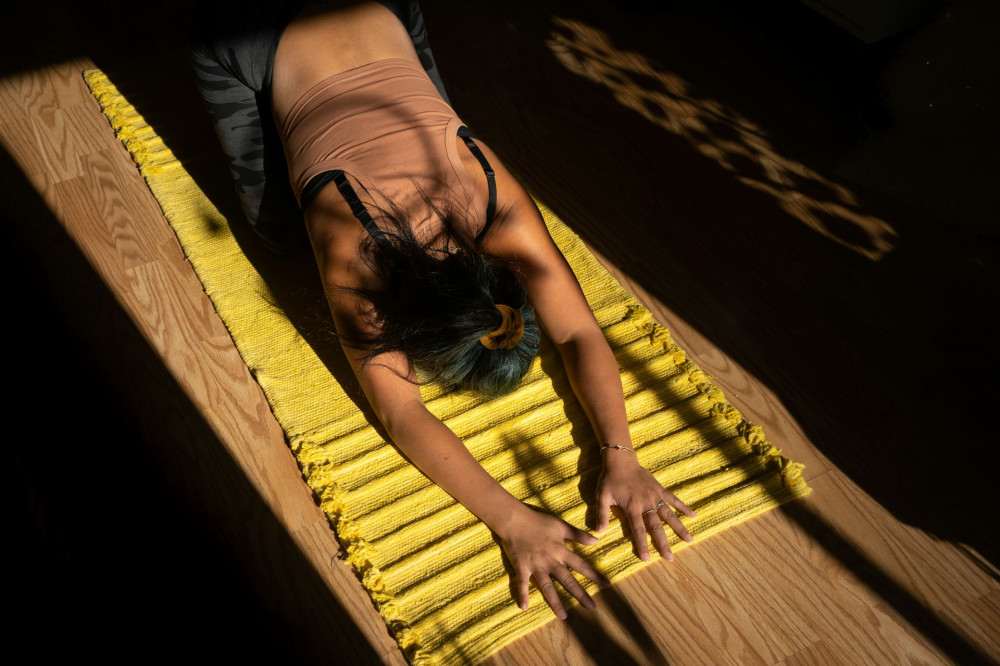
- Balance and flexibility exercises such as yoga and tai chi can reduce the risk of falls, which is crucial as we age.
Even small steps count: take the stairs instead of the lift, walk to nearby shops, or stretch during work breaks. Consistency matters more than intensity.
Lifestyle Habits That Matter
Certain habits can weaken bones over time. Smoking reduces blood flow to bone tissue, and excessive alcohol interferes with calcium absorption. Very restrictive diets or skipping meals can also harm bone health by depriving the body of essential nutrients.
Sleep and stress management are equally important. Chronic stress and lack of rest can disrupt hormones that influence bone strength. Prioritising good sleep and relaxation supports both mental well-being and skeletal health.
Women’s Bone Health Needs Special Care
After menopause, the drop in oestrogen levels increases the risk of osteoporosis—a condition where bones become fragile and more likely to break. For Indian women, who may already have lower average calcium and vitamin D intake, this risk can be higher. Regular exercise, a calcium-rich diet, and medical check-ups for bone density can make a big difference.
Building strong bones early in life is the best protection later on. The stronger your bones are before menopause, the better they can withstand natural changes.
Læs også:



Small Steps, Big Impact
Strengthening your bones doesn’t require drastic changes. It’s about building healthy habits over time. A glass of milk with breakfast, a short walk after dinner, or a few minutes of stretching each day may seem minor—but together, they add up.
Bone health is an investment in your future. Strong bones mean freedom to move, travel, play with your children or grandchildren, and live an active, independent life for years to come.
Læs også: