Between Solitude and Community: Finding Balance in Your Healing Journey
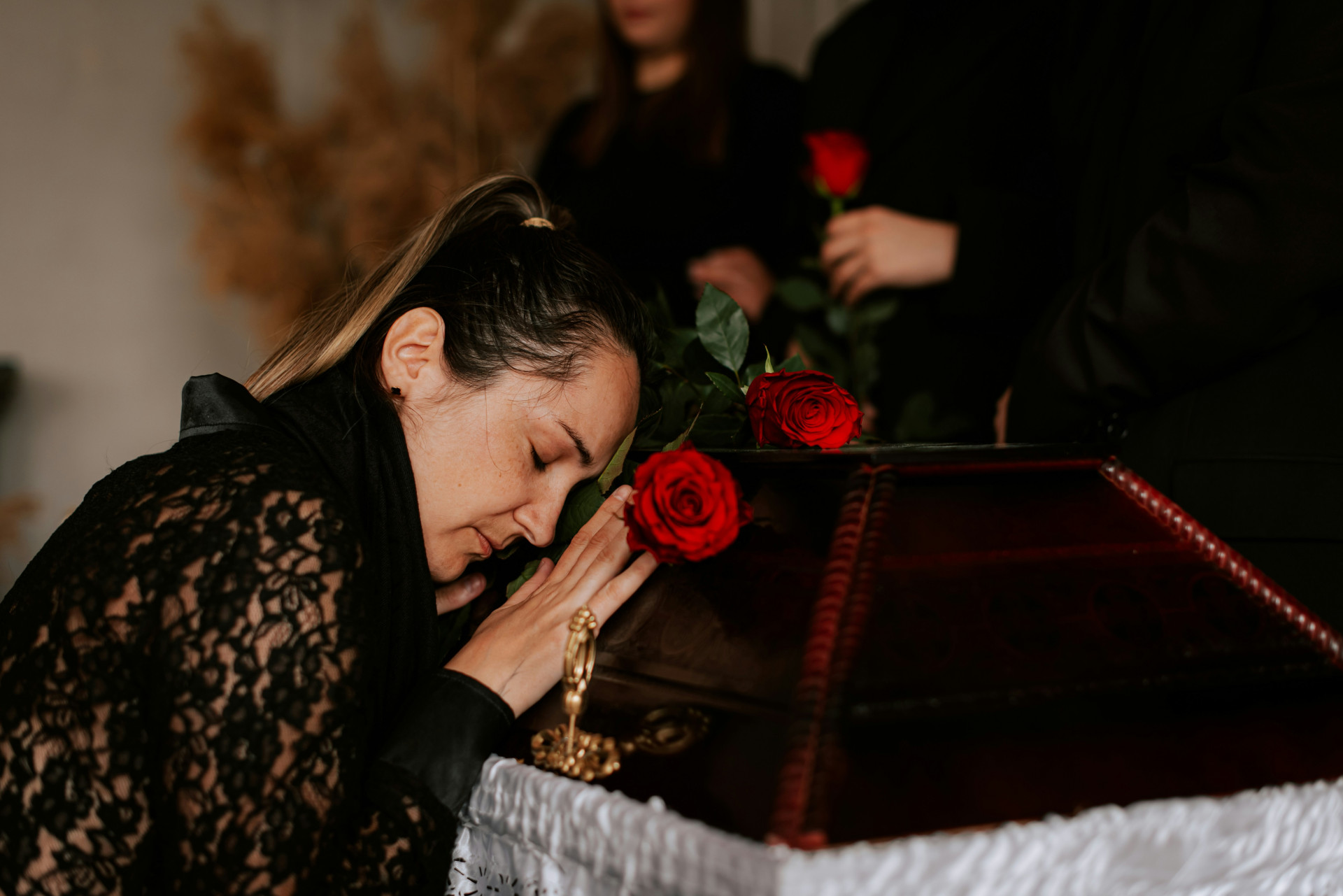
Between Solitude and Community: Finding Balance in Your Healing Journey
When life takes an unexpected turn—through loss, illness, heartbreak, or major change—the path to healing can feel like walking a tightrope between two needs: the need to be alone and the need to be with others. Both are essential, yet finding the right balance between them can be challenging. This article explores how you can navigate between solitude and community in a way that supports your healing with gentleness and awareness.
Solitude as a Space for Reflection and Renewal
In moments of pain or transition, solitude can offer a safe space to breathe and reconnect with yourself. It allows you to listen to your thoughts and emotions without external noise or expectations. Solitude doesn’t have to mean isolation—it can be as simple as sitting quietly with a cup of chai, journaling your thoughts, meditating, or taking a walk in a nearby park.
In India’s often bustling environment, carving out moments of quiet can feel difficult, but even small pauses can make a difference. Early mornings before the city wakes, or a few minutes of silence after evening prayers, can become sacred spaces for reflection. In these moments, understanding and acceptance begin to take root. Give yourself permission to be alone without guilt—it’s an important part of healing.
The Healing Power of Community
While solitude nurtures self-awareness, community brings connection and strength. Sharing your experiences with others can offer perspective, comfort, and hope. This might mean talking with close friends, joining a support group, or participating in community activities such as yoga classes, satsangs, or volunteer work.
In Indian culture, community often plays a central role in times of difficulty. Family, neighbours, and friends can be powerful sources of support. Allowing others to be there for you doesn’t make you weak—it reminds you that you are not alone. When you open up, you may find that others have walked similar paths, and that shared understanding can lighten your emotional load.
Læs også:


When Solitude Turns into Isolation
There’s a fine line between seeking peace and withdrawing too much. If you notice that you’re avoiding contact, losing interest in social activities, or feeling trapped in your own thoughts, it may be time to reach out. Healing doesn’t mean doing everything on your own.
Start small—send a message to a friend, visit a relative, or talk to a counsellor. Many cities and towns in India now offer mental health helplines and community wellness centres. Taking that first step toward connection can be difficult, but it often brings relief and renewed energy.
When Community Becomes Overwhelming
On the other hand, being constantly surrounded by people can also be draining. In a culture where social gatherings and family obligations are frequent, it’s okay to set boundaries. You don’t have to attend every event or say yes to every invitation. Healing requires rest as much as it requires connection.
Listen to your body and mind. Do you feel uplifted after spending time with others, or exhausted? It’s perfectly fine to take a break, say no politely, and choose company that feels nurturing rather than demanding. Protecting your energy is an act of self-care, not selfishness.
Creating a Rhythm That Fits You
There’s no universal formula for balancing solitude and community. The right rhythm changes over time and depends on where you are in your healing process. Some days you may crave quiet; other days, companionship. The key is to stay flexible and compassionate with yourself.
- Schedule quiet moments in your week—time for meditation, reading, or simply being still.
- Choose your circles wisely—spend time with people who understand and uplift you.
- Stay adaptable—allow yourself to change plans if your emotional needs shift.
- Express your needs—communicate openly with those around you about what helps you heal.
Healing is not a straight path but a gentle movement between stillness and connection. What matters most is that you keep listening to yourself and adjusting as you go.
Finding Peace in Balance
Ultimately, finding balance between solitude and community is about finding peace within yourself. When you learn to honour your own rhythms—knowing when to retreat and when to reach out—your healing becomes more sustainable. You discover that strength can be found in silence, and comfort in companionship. Together, these two forces create wholeness.
Healing takes time, but as you find your own rhythm, life slowly opens up again—with new colours, deeper relationships, and a renewed sense of self.
Læs også: