When Grief Is Shared: The Power of Community in Women’s Healing Process

When Grief Is Shared: The Power of Community in Women’s Healing Process
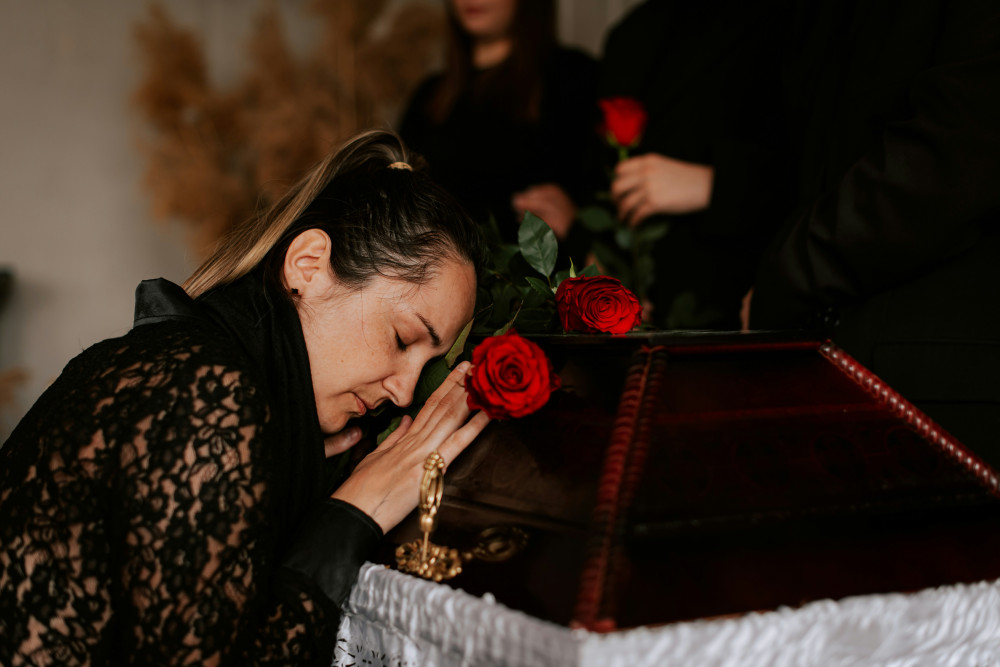
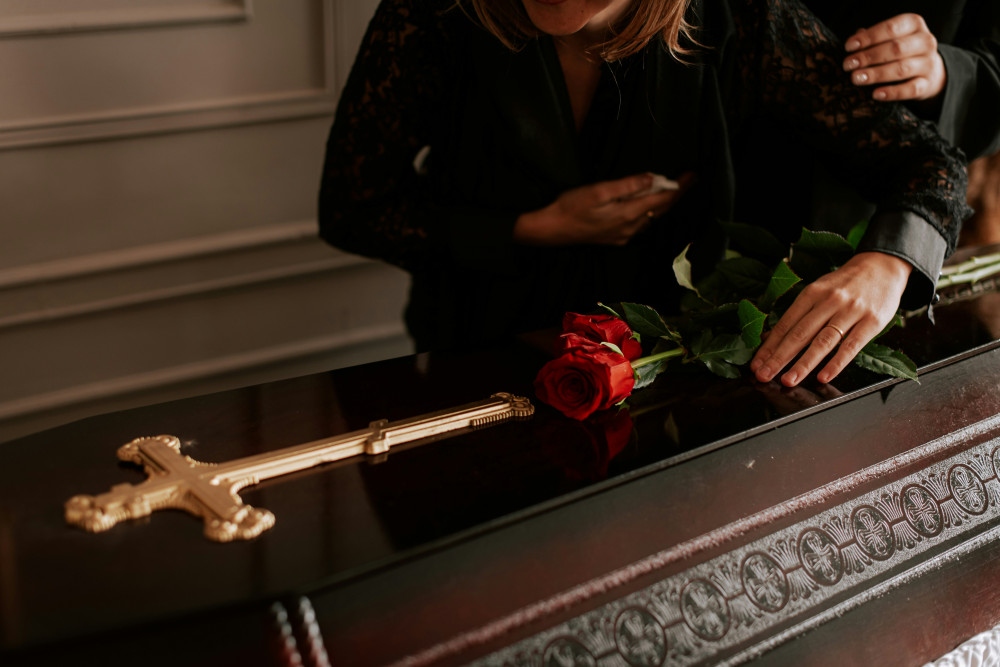
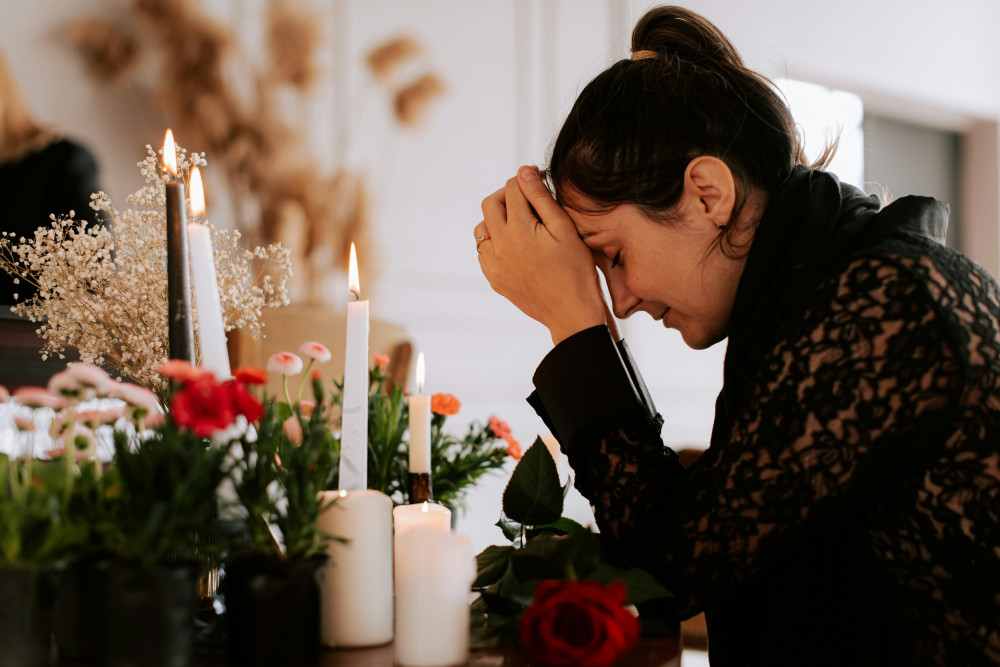
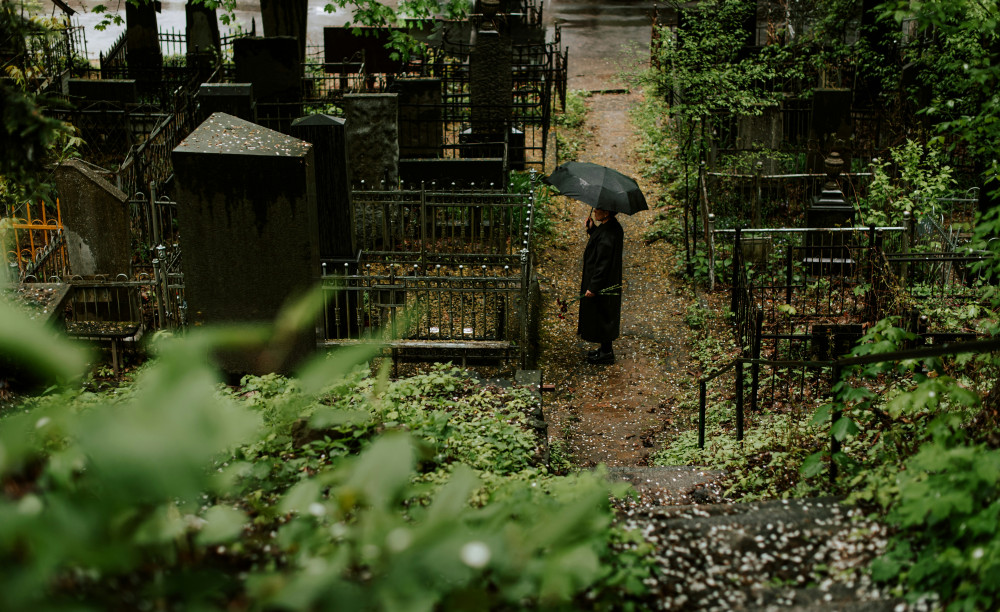
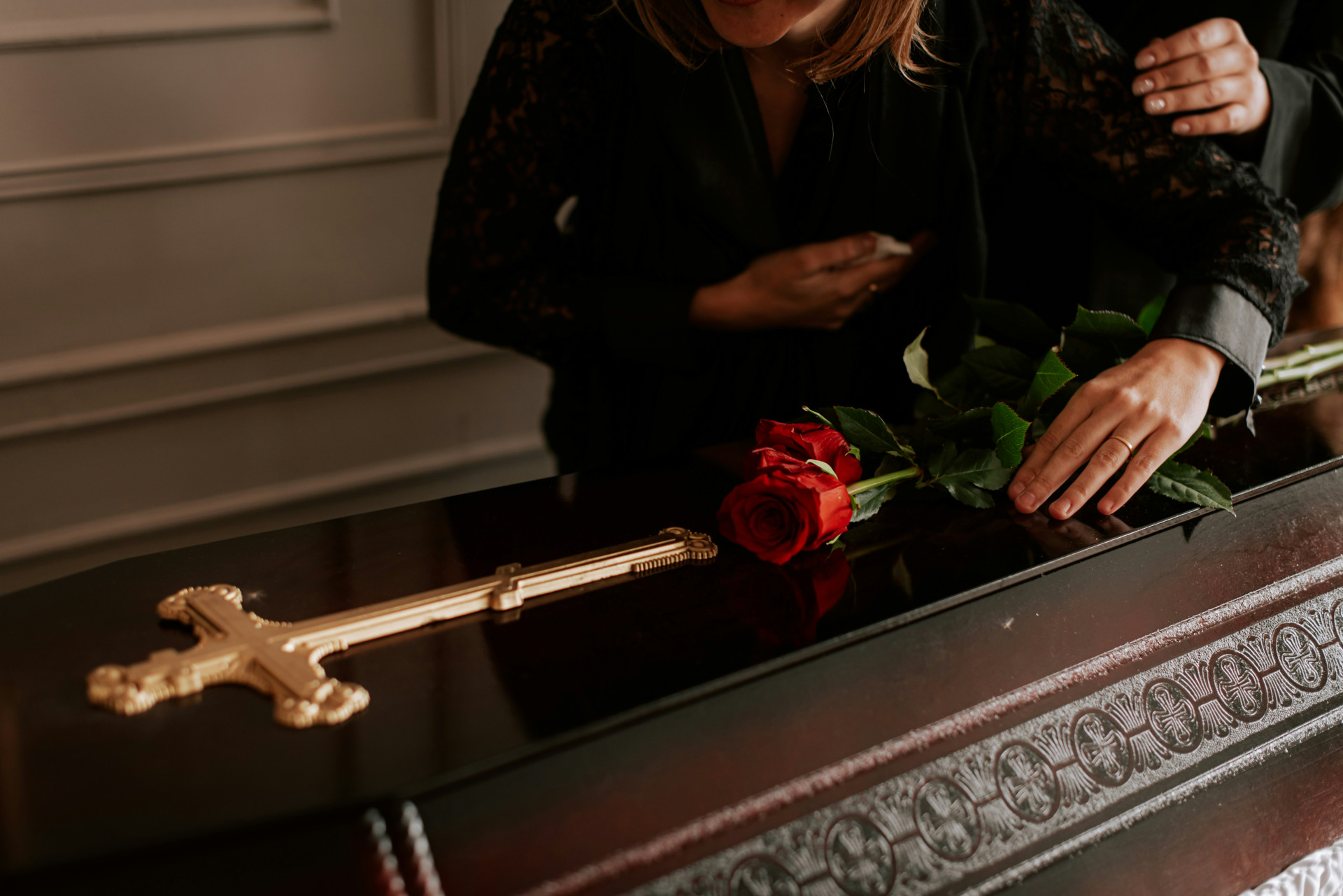
Grief is one of the most universal human experiences—and yet one of the most isolating. When loss strikes, it can feel as though the world moves on while one’s own life stands still. But even in the darkest moments, connection can become a lifeline. For many women in India, healing often begins when grief is shared—when they reach out and allow others to walk beside them through the pain.
The Many Faces of Grief
Grief takes many forms: the loss of a loved one, a miscarriage, the end of a marriage, or even the fading of a long-held dream. It can arrive suddenly or unfold slowly over time. For many Indian women, who are often expected to care for others before themselves, giving space to their own sorrow can feel almost impossible.
Yet grief needs room—it cannot be rushed or silenced. It must be lived through. And this is where community becomes essential. When women meet others who understand their pain without judgment or explanation, a space of recognition and relief opens up.
Community as a Healing Force
Research and lived experience alike show that social support plays a vital role in how people recover from loss. Women who join support circles, self-help groups, or informal gatherings often find that their emotional recovery is steadier and more sustainable. Healing is not about “moving on,” but about learning to live with loss in a new way.
Across India, such communities are taking many forms. In cities, women’s collectives and NGOs host grief circles and mental health workshops. In smaller towns and villages, informal networks—neighbours, relatives, or women’s self-help groups—offer quiet but powerful support. Whether through shared meals, prayer meetings, or simple conversations, these spaces remind women that they are not alone.
The Courage to Reach Out
Taking the first step can be the hardest part. Grief often feels deeply personal, and opening up can make one feel exposed. But reaching out is not a sign of weakness—it is an act of courage. It might begin with a single phone call, a message to a friend, or attending a local women’s meeting.
Some women find comfort in structured therapy or counselling sessions, while others prefer informal gatherings—walking groups, art workshops, or community kitchens. What matters most is the creation of a safe space where one can simply be, even on the days when the pain feels overwhelming.
Rituals and Shared Symbols
Rituals have long been part of India’s way of processing loss. Lighting a diya, offering prayers, or planting a tree in memory of a loved one—these acts give form to grief. When shared with others, they become a collective expression of remembrance and resilience.
In many communities, new traditions are emerging: women gathering on anniversaries to cook a favourite meal of the departed, creating memory quilts, or volunteering together in their loved one’s name. Such rituals transform sorrow into connection, reminding us that love endures even when life changes.
Læs også:


From Survival to Renewal
Healing does not mean forgetting. It means finding a new rhythm, a new way to carry both love and loss. Many women describe how, through community, they slowly rediscover joy—not as a replacement for what was lost, but as part of a renewed story of life.
When grief is shared, it becomes lighter to bear. In standing together, women remind one another that strength is not the absence of pain, but the willingness to face it—together. In the embrace of community, sorrow softens, and hope quietly returns.
Læs også: