Consistency with Love: How to Teach Your Child Responsibility Without Punishment


Consistency with Love: How to Teach Your Child Responsibility Without Punishment
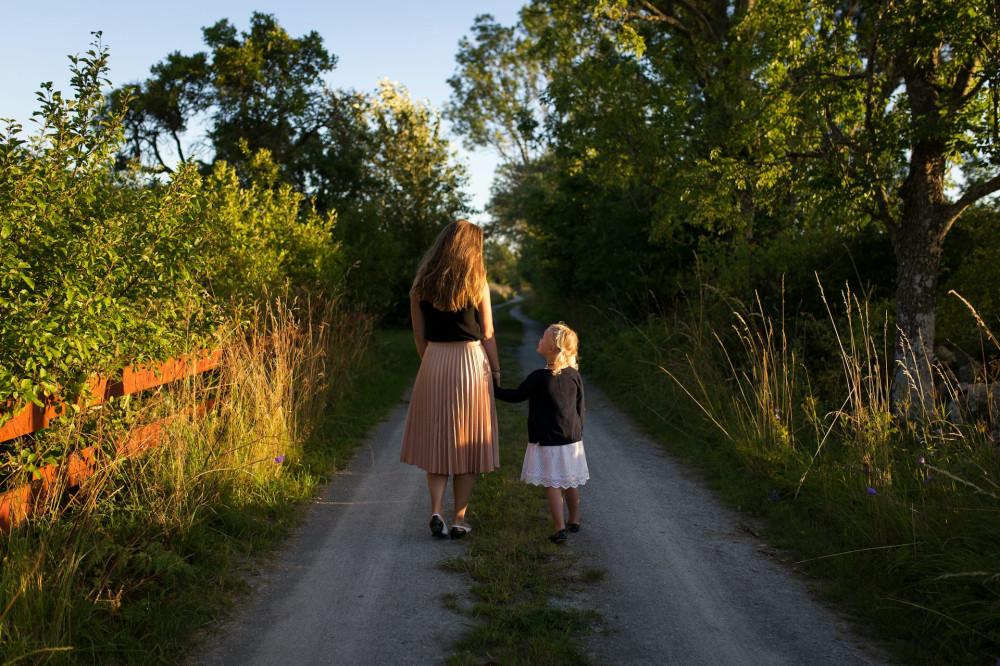
Raising a child is not only about setting boundaries – it is about helping them understand the connection between their actions and their outcomes. Many parents associate discipline with punishment, but true discipline can be a loving and secure way to teach responsibility. When consistency is combined with empathy and respect, it becomes a path to nurturing independence and confidence in your child.
Why Punishment Rarely Works
Punishment may stop unwanted behaviour for a short time, but it rarely teaches a child why something is wrong. Instead, it can create fear, shame, or resistance. The child learns to avoid punishment, not to take responsibility.
When you focus on natural or logical consequences instead, you help your child see how actions lead to results. This approach encourages reflection and ownership of choices. It is not about letting things slide, but about creating a safe space for learning through experience.
Consequences as Learning – Not as Revenge
A consequence should make sense and be connected to the behaviour. If a child spills milk, the natural consequence is to help clean it up – not to be scolded or sent away. If a child forgets their school tiffin, the consequence might be feeling hungry, but it can also lead to a conversation about how to remember it next time.
When consequences are logical, they become part of the child’s learning process. It takes patience, but it helps the child develop an inner sense of responsibility rather than simply reacting to external pressure.
Set Clear Boundaries – With Warmth
Children need boundaries to feel safe. But boundaries should be both firm and kind. This means standing by your rules while still acknowledging your child’s feelings.
For example, if your child gets upset because screen time is over, you can say, “I know you’re disappointed. It’s hard to stop when you’re having fun. But now it’s time to rest.” This shows empathy without giving in. The child learns that emotions are valid, but limits still matter.
Talk About Feelings and Choices
When children understand their emotions, they can better manage their actions. Take time to talk about what happened and how they might handle it differently next time. Ask questions like, “What made you feel so angry?” or “What could you do next time you feel that way?”
These conversations build emotional intelligence and empathy – essential foundations for responsible behaviour. In Indian families, where respect and relationships are deeply valued, such open communication strengthens trust between parent and child.
Læs også:



Give Opportunities to Make Things Right
A key part of responsibility is learning how to make amends. Instead of focusing on guilt, guide your child to find solutions. If they hurt someone’s feelings, talk about how to apologise sincerely. If they broke something, involve them in repairing or replacing it.
When children are given the chance to take positive action, they learn that mistakes are not failures – they are opportunities to grow and make better choices.
Be a Role Model
Children learn most from what they see. When you take responsibility for your own actions, apologise when you are wrong, and treat others with respect, your child absorbs those lessons. Showing that you can feel angry but still respond calmly teaches self-control and empathy more powerfully than any lecture.
Being consistent with love does not mean being perfect – it means being genuine, patient, and present.
When Love and Consistency Work Together
Teaching responsibility without punishment takes time and reflection, but it builds a relationship based on trust and respect. When your child experiences consequences as learning rather than control, they grow with confidence – in themselves and in you.
Consistency with love is ultimately about showing your child that responsibility is not something forced upon them. It is something they grow into when they are guided with understanding, respect, and unconditional love.
Læs også: