Conversations on the Go: Turn Walks and Errands into Quality Family Time


Conversations on the Go: Turn Walks and Errands into Quality Family Time
In the rush of daily life, it can be hard to find time for meaningful conversations. Between work, school, traffic, and household chores, the day often slips away before families get a chance to truly connect. But perhaps it doesn’t have to be so complicated. A short walk to the local market, a stroll after dinner, or even a quick errand can become a space for togetherness and conversation – without needing extra time in your schedule.
Everyday Routes as Spaces for Connection
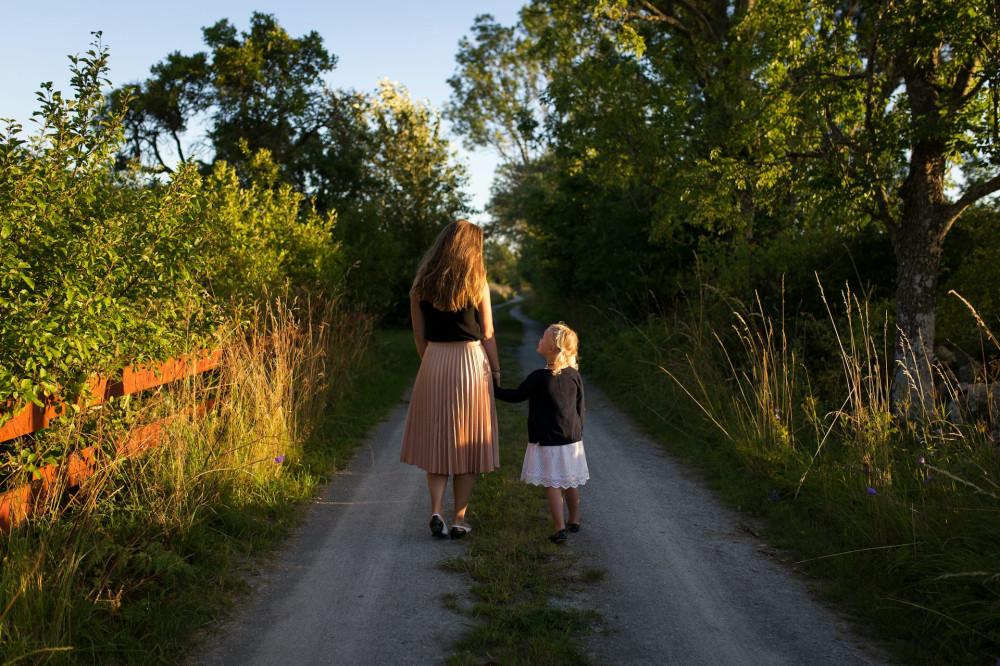
When you walk side by side, there’s a special kind of calm. You don’t have to look each other in the eye all the time, which can make it easier – especially for children and teenagers – to open up. The conversation flows more naturally, and silence feels comfortable rather than awkward.
It doesn’t have to be a long walk. Even a few minutes on the way to the bus stop, while picking up groceries, or walking the dog can be enough. These small moments can become opportunities to catch up before everyone gets busy again.
Turning Errands into Shared Moments
Many parents find that children enjoy helping out when they feel involved. A quick trip to the vegetable vendor or supermarket can turn into a fun family activity if you make it something you do together. Let your child choose the fruits, carry the bag, or help count the change. It builds a sense of responsibility and teamwork, and along the way, conversations about food, school, or the day’s events come naturally.
Even routine tasks like paying a bill, buying milk, or picking up a parcel can become small moments of connection if you see them as opportunities rather than chores.
Læs også:




Walking as a Way to Unwind
For both children and adults, it can be easier to talk when the body is in motion. The rhythm of walking helps thoughts flow, and being outdoors offers a break from screens and distractions. A walk can be a good time to talk about things that might feel difficult otherwise – friendships, school stress, or future dreams.
You don’t have to plan it as a “serious talk.” Often, the best conversations happen spontaneously – when you notice something interesting on the street, share a funny observation, or simply walk in comfortable silence.
Create Simple Rituals
If you make walking or running errands together a regular part of your routine, it becomes a natural time to connect. It could be a short evening walk after dinner, a Saturday morning trip to the local chai stall, or a Sunday visit to the park. The key is to keep it relaxed and enjoyable – not another task on the to-do list.
Children appreciate predictability, and when they know there’s a regular time just to be together, it can create a sense of security and open the door to more honest conversations.
Finding Presence in Small Moments
In a world where families often struggle to balance work, school, and screen time, it’s comforting to remember that quality time doesn’t require big plans. It’s about noticing and using the moments that already exist – and being present when they happen.
A ten-minute walk can be enough to laugh together, share a thought, or simply enjoy each other’s company. Sometimes, the most meaningful conversations begin with just a few small steps.
Læs også: