Understanding Your Child’s Attachment Style – and What It Means for Your Everyday Life

Understanding Your Child’s Attachment Style – and What It Means for Your Everyday Life
Why does your child cling to you when you leave for work? Why do some children seem confident and independent, while others become anxious or withdrawn when upset? The answer often lies in your child’s attachment style. Understanding it can help you support your child’s emotional growth and create a more peaceful, trusting home environment.
What Is Attachment?
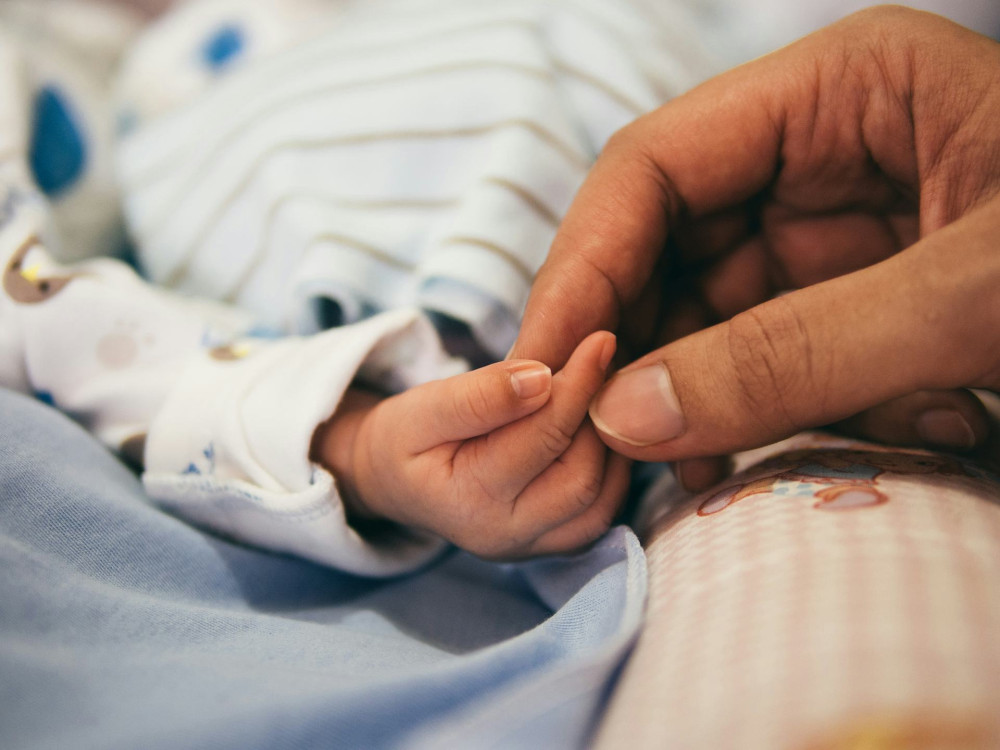
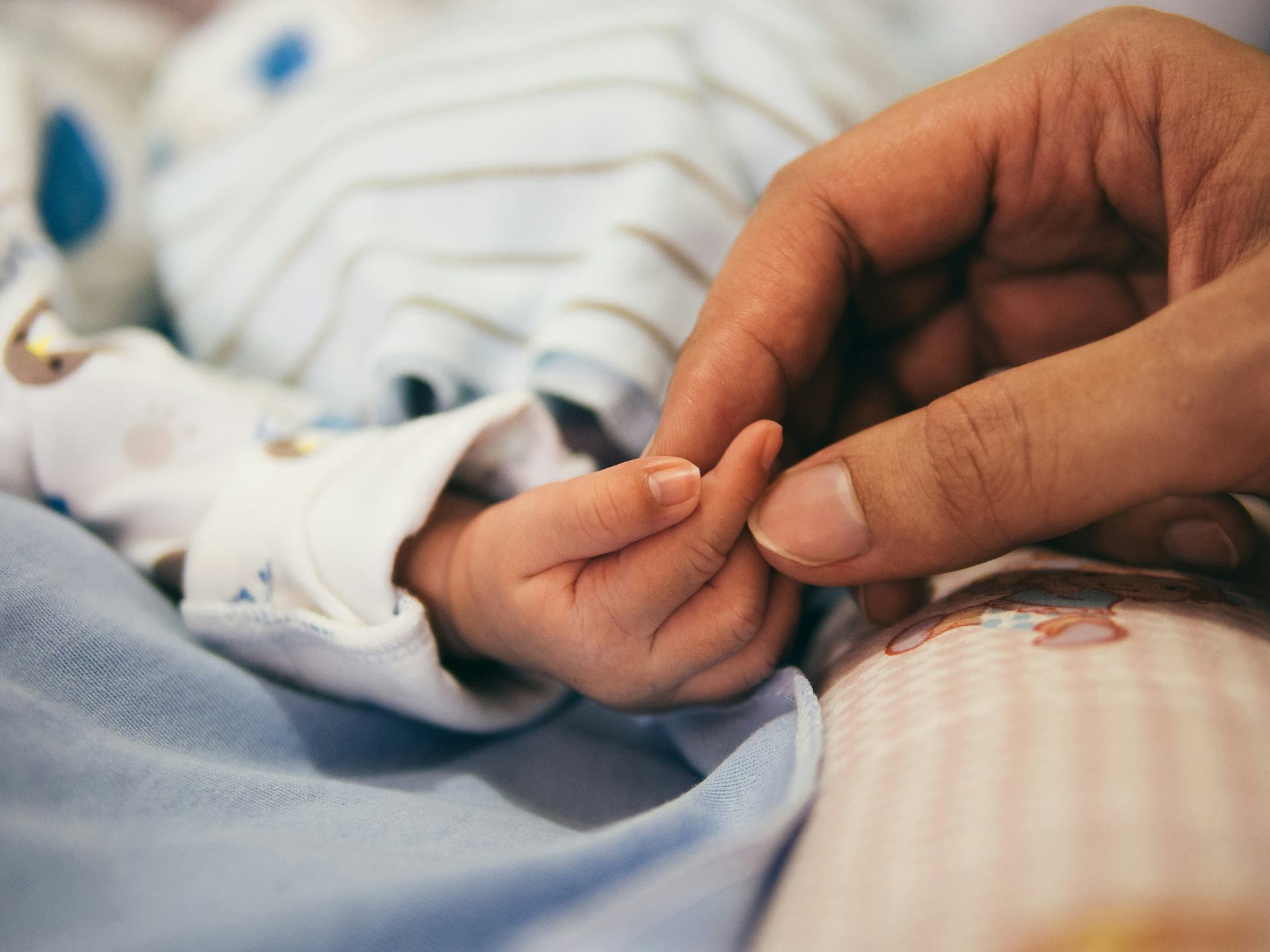
Attachment refers to the emotional bond that forms between a child and their primary caregivers – usually parents or grandparents. Through this relationship, a child learns whether the world is a safe place and whether they can rely on others for comfort and help.
The British psychologist John Bowlby described attachment as a biological need: children seek closeness to survive and feel secure. Later research has shown that the quality of this attachment deeply influences a child’s confidence, emotional well-being, and ability to form healthy relationships later in life.
The Four Basic Attachment Styles
All children form attachments, but the way they do so can differ. Psychologists often describe four main attachment styles:
- Secure attachment – The child feels loved and protected. They explore the world confidently, knowing their parent will be there if something goes wrong.
- Avoidant attachment – The child has learned that comfort is not always available. They may appear independent but often suppress their emotions.
- Ambivalent (or anxious) attachment – The child experiences inconsistency: sometimes the parent is responsive, sometimes not. This leads to clinginess and constant need for reassurance.
- Disorganized attachment – The child feels both comforted and frightened by the caregiver, often due to stress, conflict, or trauma. This can result in confusing or contradictory behavior.
It’s important to remember that attachment styles are not fixed labels. They can change over time, especially when a child experiences consistent care, empathy, and emotional safety.
Læs også:




How Attachment Shows Up in Everyday Life
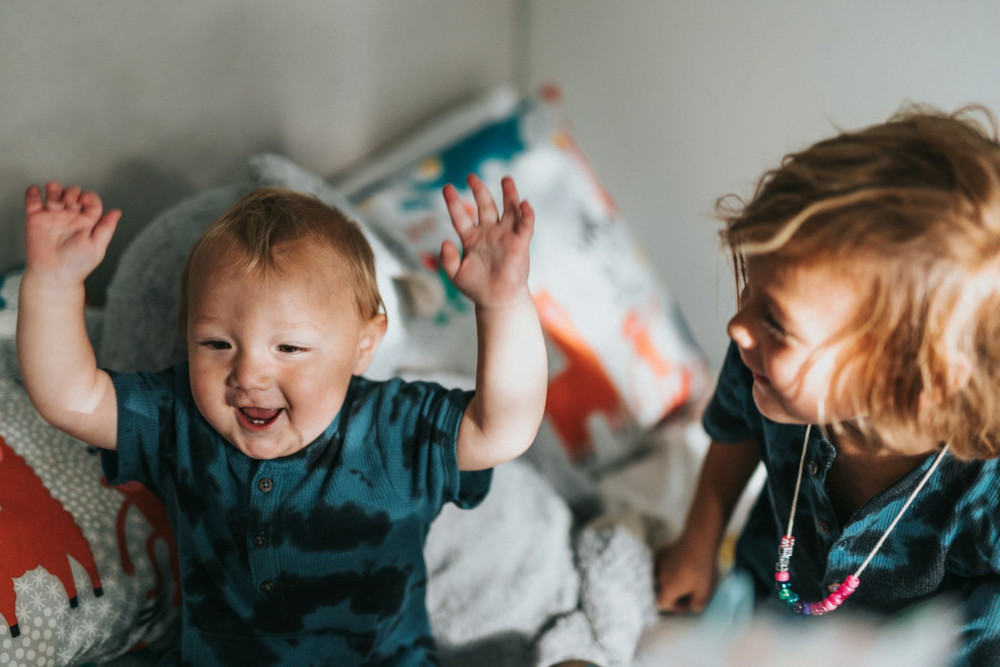
Attachment becomes visible in small, everyday moments – when your child falls, gets angry, or says goodbye at school. A securely attached child seeks comfort, calms down, and returns to play. An avoidant child may act unaffected and keep distance, while an ambivalent child might cry for a long time and struggle to let go.
As a parent, noticing these patterns can help you respond with understanding rather than frustration. When you look beyond the behavior and see the underlying need, it becomes easier to stay calm and supportive.
How to Strengthen Secure Attachment
The good news is that attachment doesn’t require perfect parenting – just good enough parenting. Research shows that children develop secure attachment when parents are mostly able to notice and respond to their needs. Here are some simple ways to nurture that bond:
- Be present and attentive. Notice your child’s signals – both words and body language – and show that you understand.
- Offer comfort and reassurance. When your child is upset, they need your calm presence more than advice or correction.
- Create routines. Predictable daily patterns – like bedtime rituals or shared meals – give children a sense of safety.
- Talk about feelings. Help your child name emotions: “You look disappointed” or “That must have scared you.” This teaches them that feelings are normal and manageable.
- Be kind to yourself. Every parent loses patience sometimes. What matters most is reconnecting afterward – that repair actually strengthens trust.
When Attachment Feels Challenging
Life in India can be busy and demanding – long work hours, extended family responsibilities, or financial stress can make it hard to stay emotionally available. If you notice that your relationship with your child feels tense or distant, or that your child’s reactions seem extreme, consider seeking support. Talking to a child psychologist, counselor, or parenting coach can provide new tools and perspectives to rebuild connection.
Attachment as a Lifelong Journey
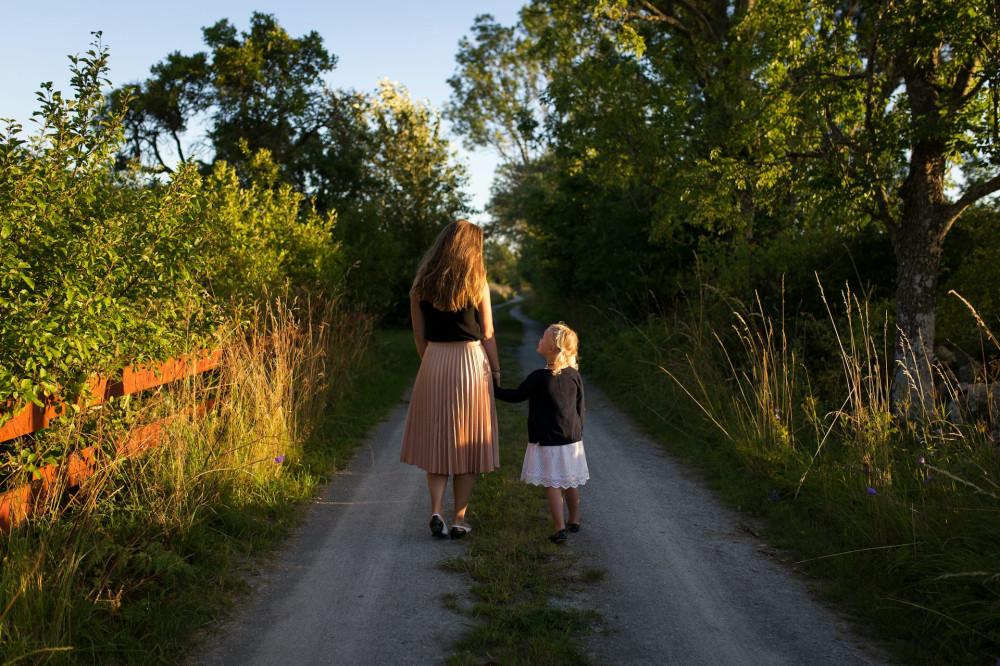
Attachment doesn’t end in childhood. It continues to shape how we relate to friends, partners, and our own children. As you learn about your child’s attachment style, you may also discover patterns from your own upbringing – and the opportunity to change them.
Building secure attachment is ultimately about showing your child that they are loved, even when they are angry, scared, or sad. That sense of safety becomes the foundation for a lifetime of confidence, empathy, and trust – both in themselves and in others.
Læs også: